
Beton Brut (2025)






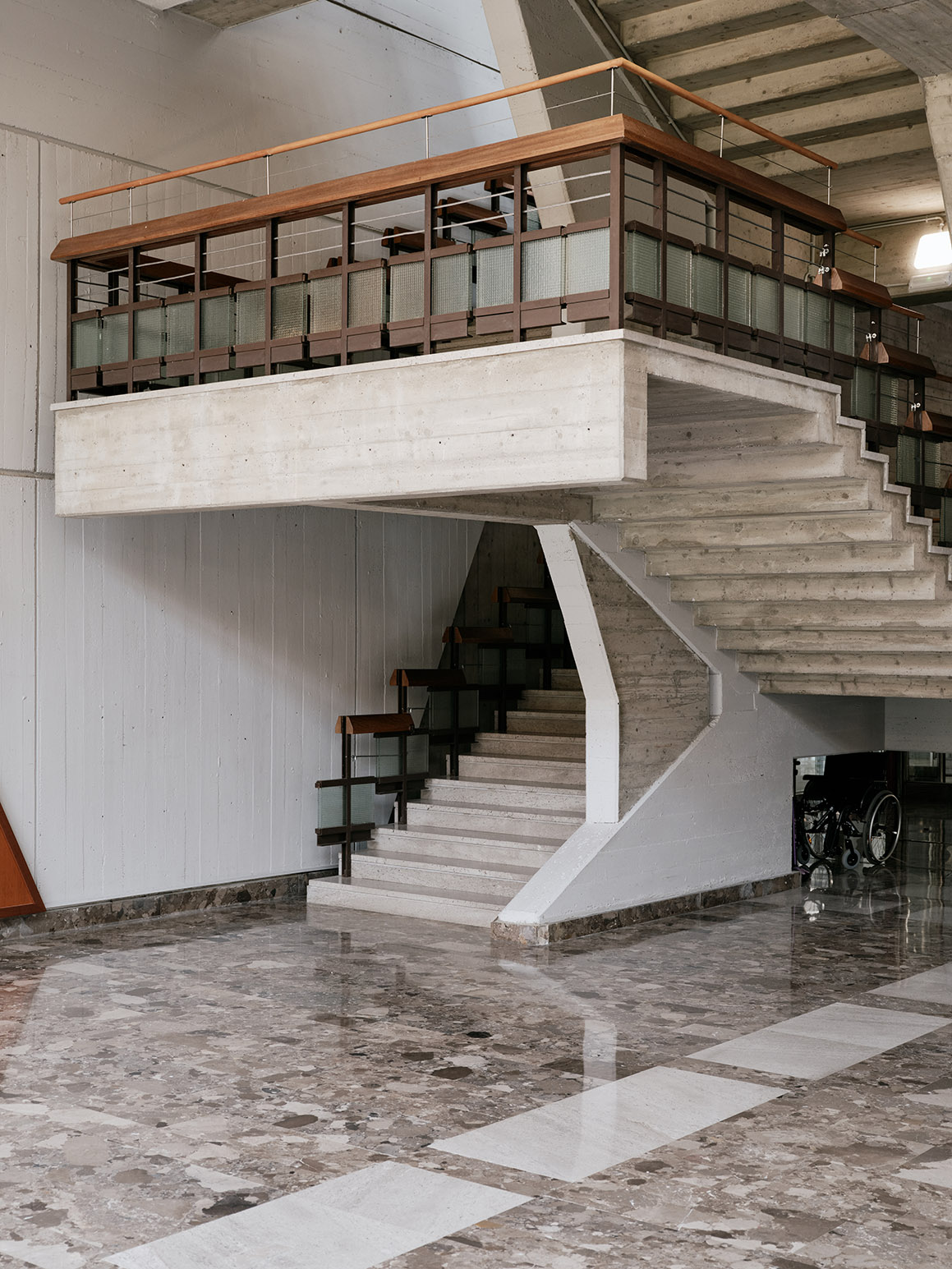
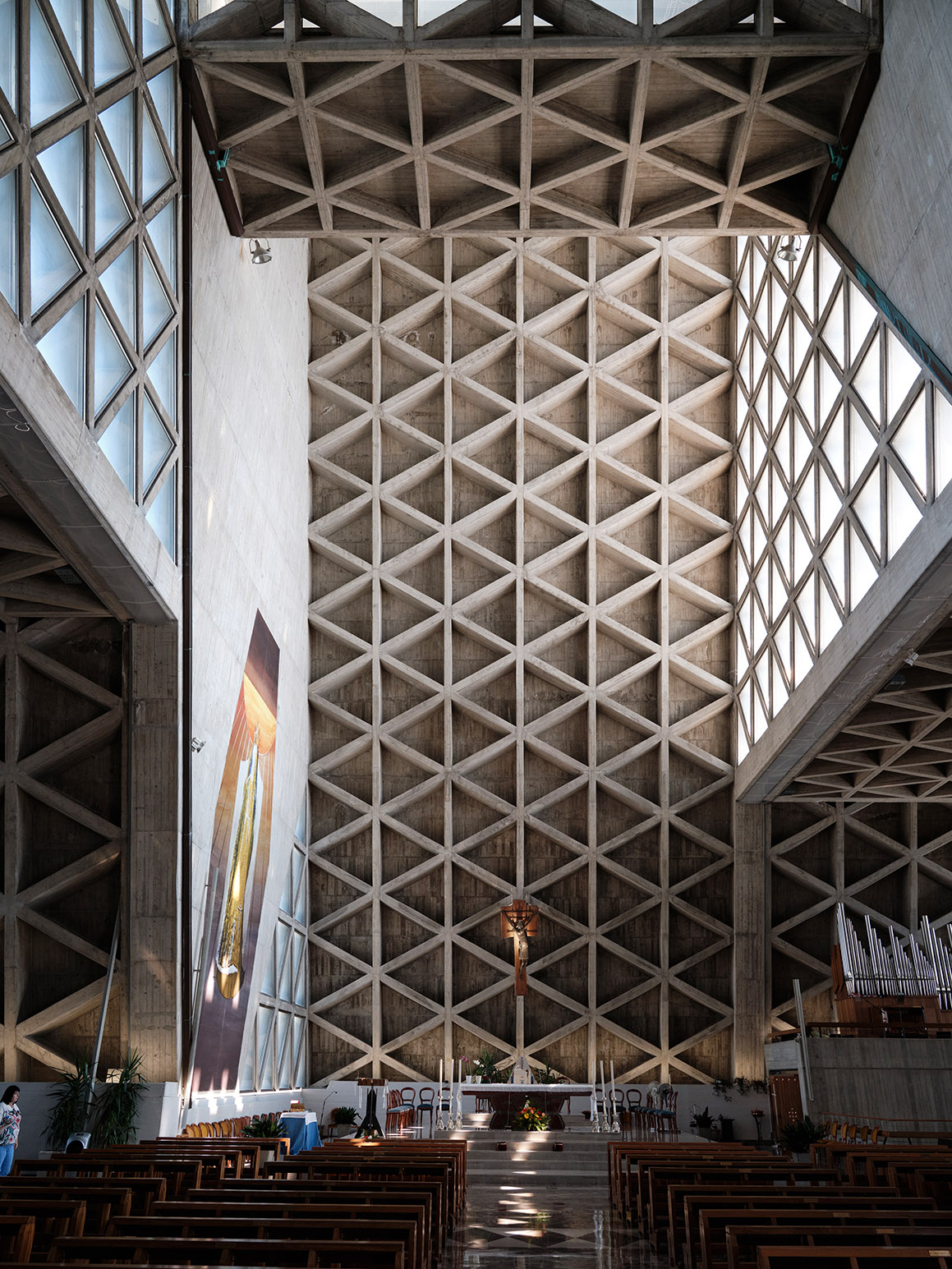
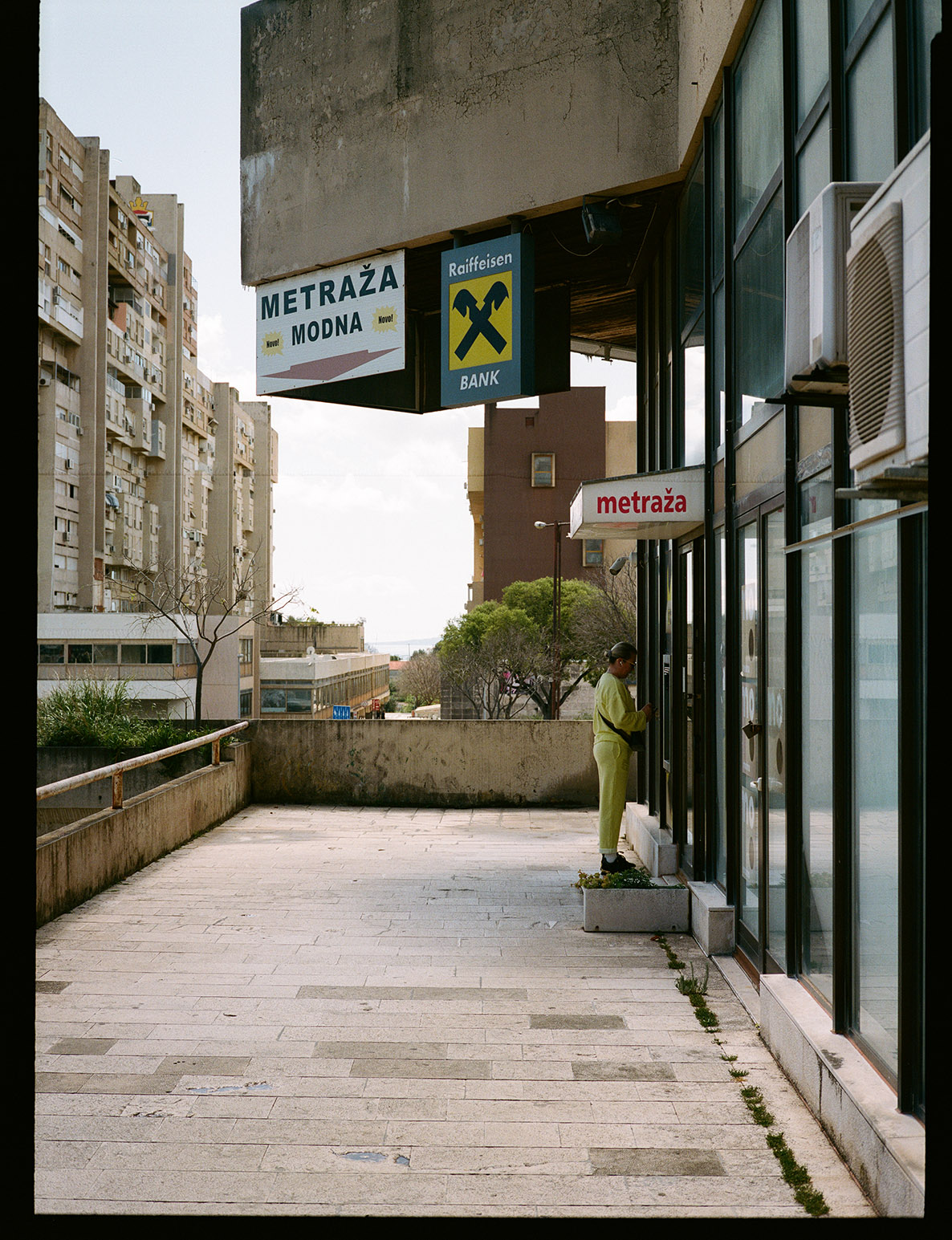

“BETON BRUT” by photographer Christian Werner for TTA27 – “The Advent”.
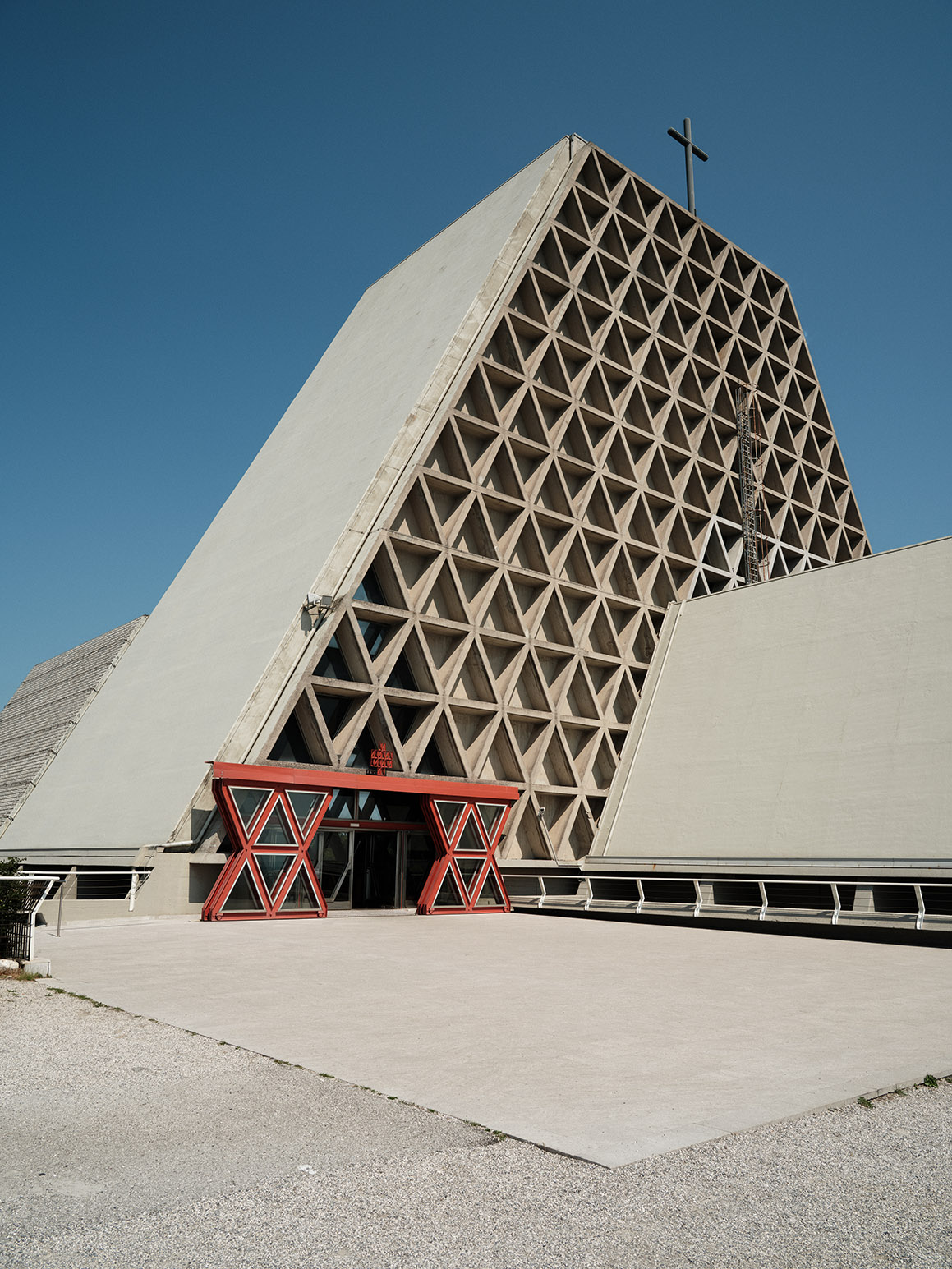
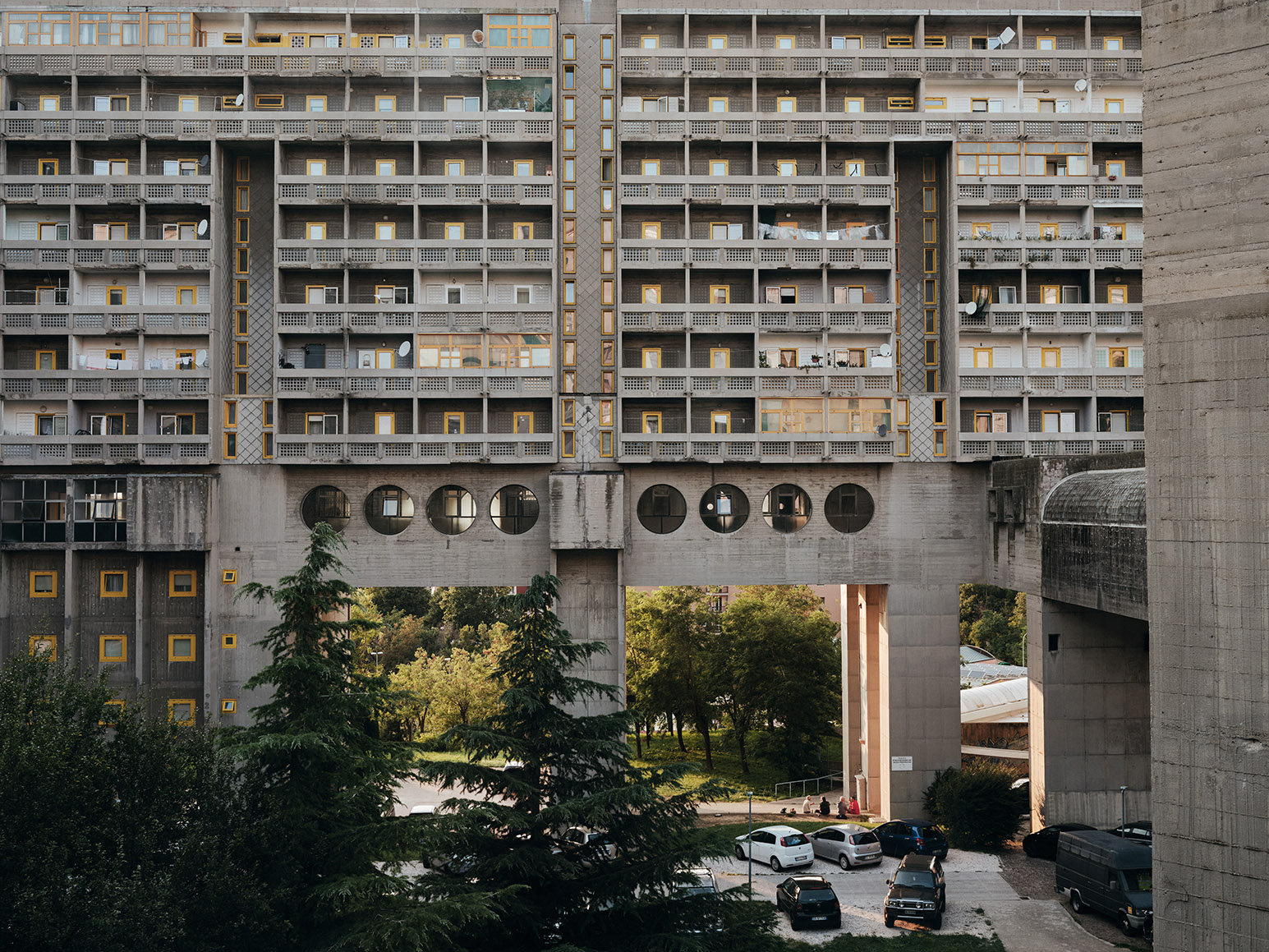
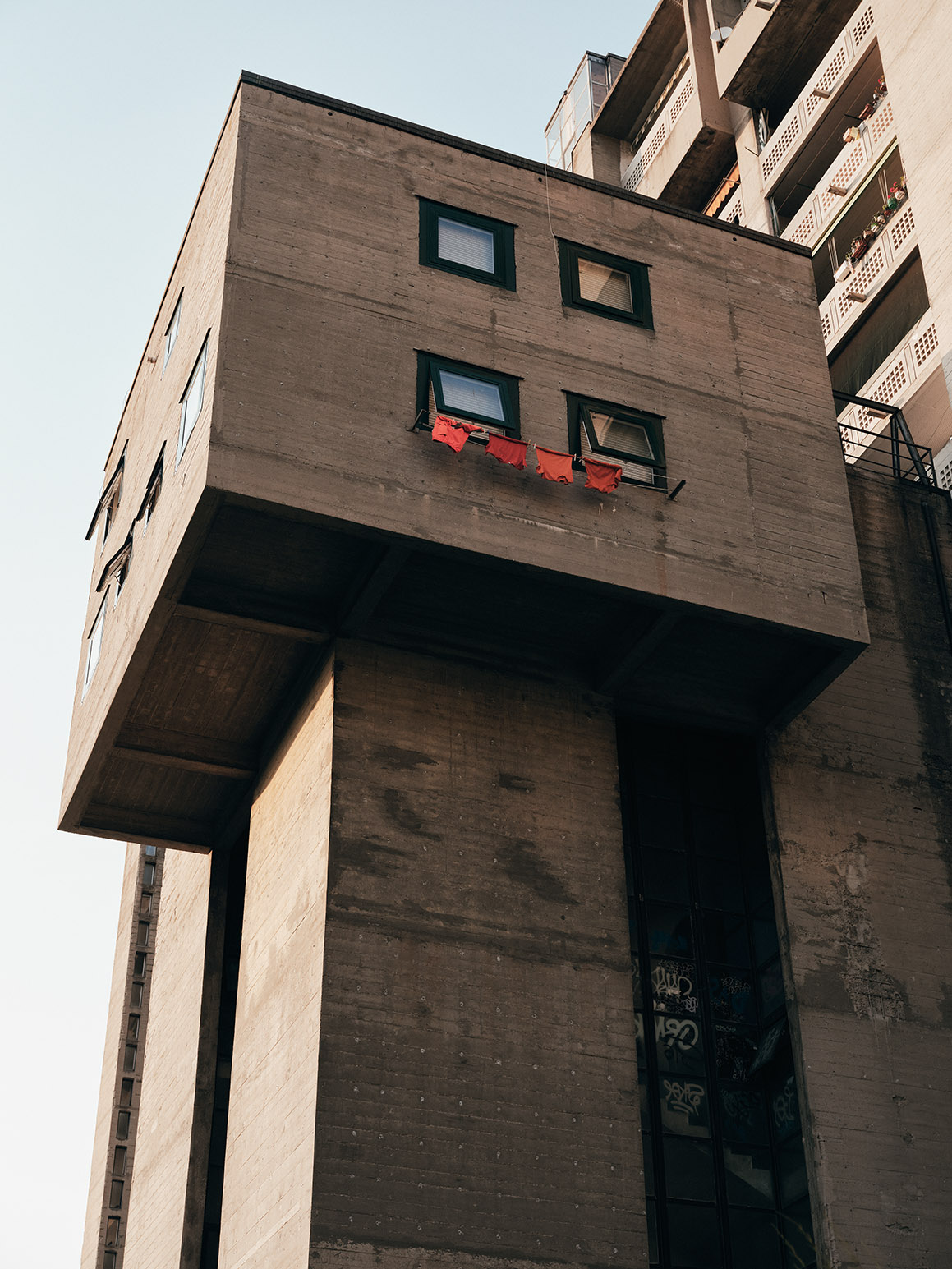
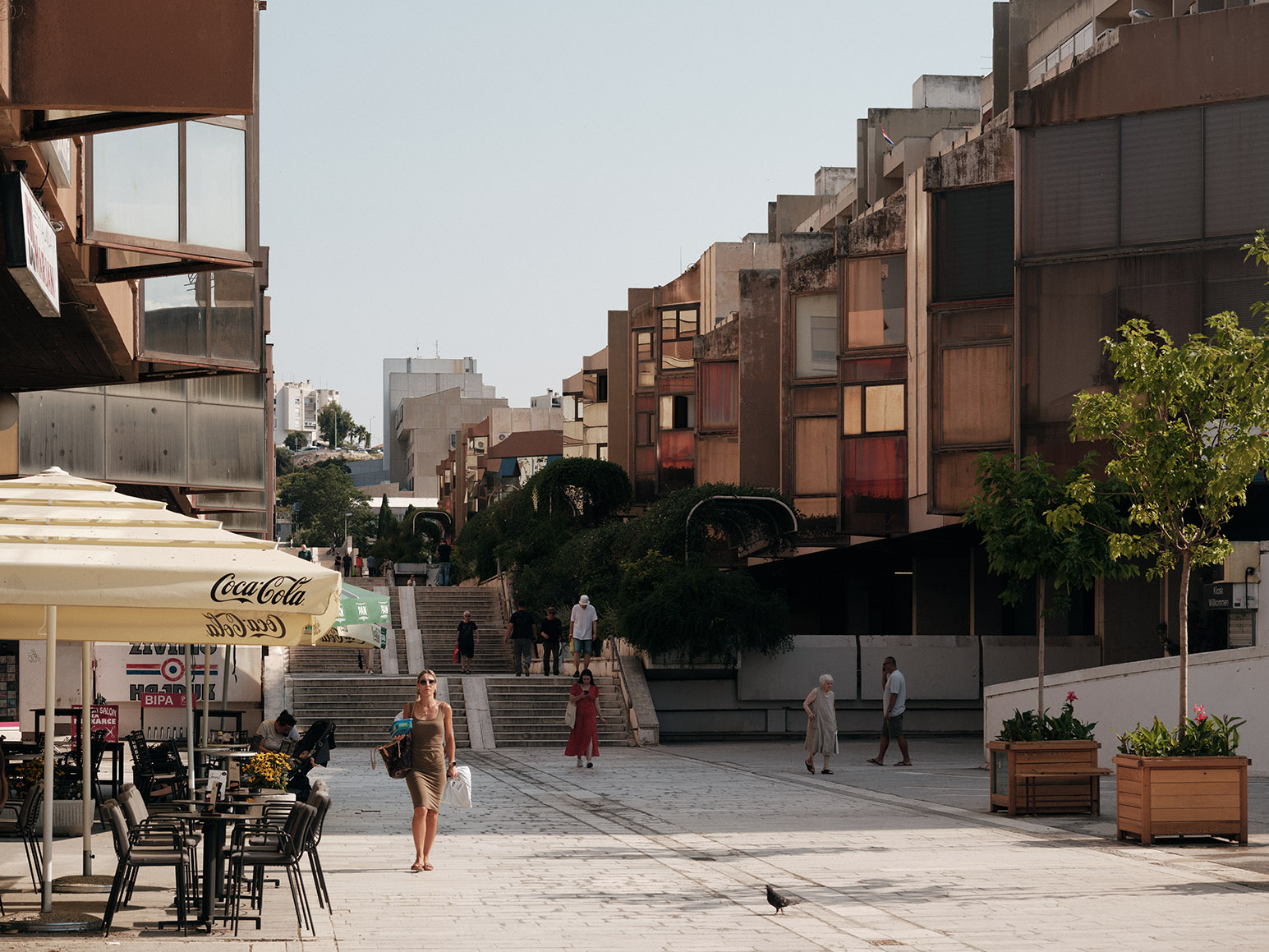
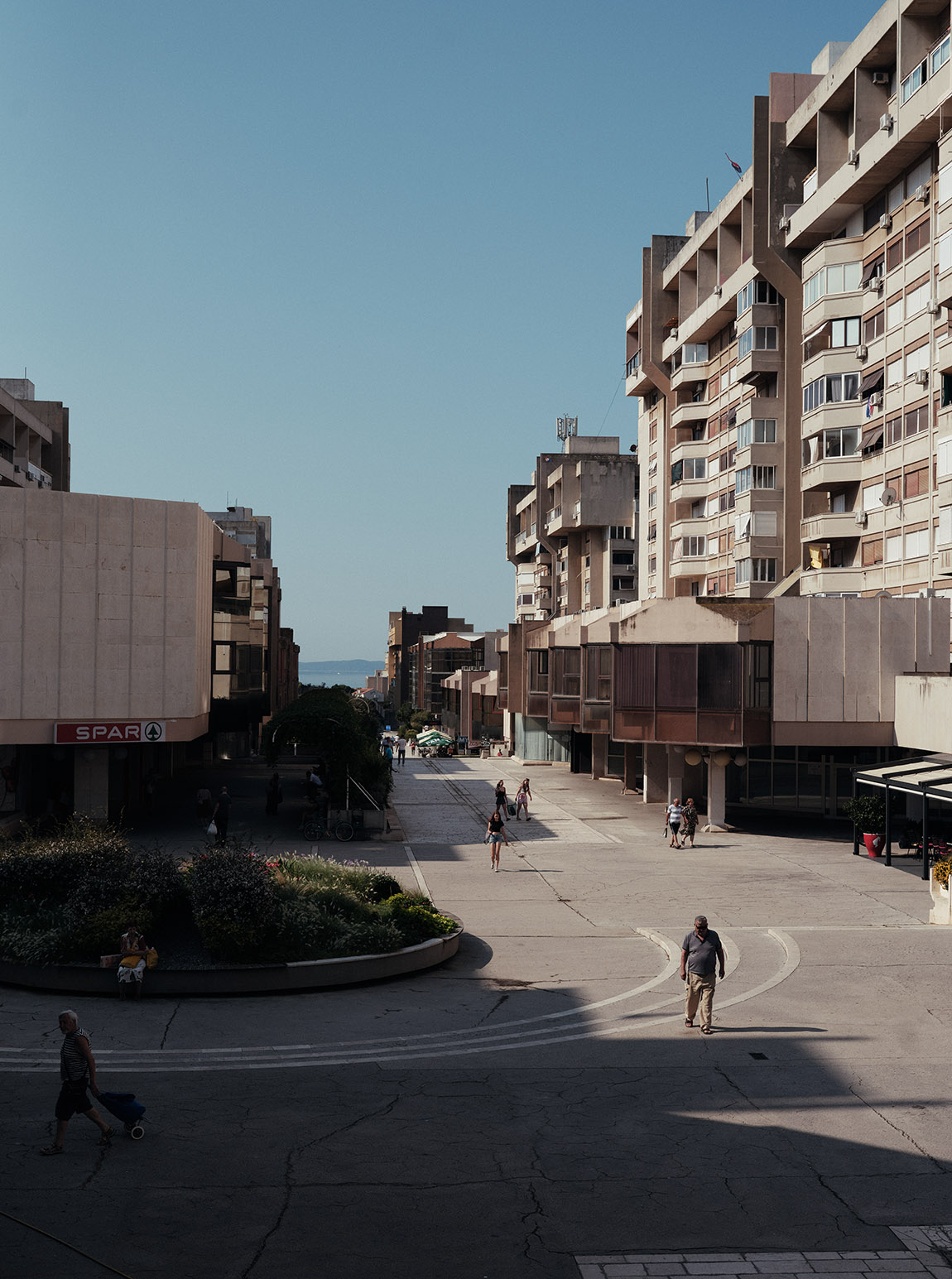
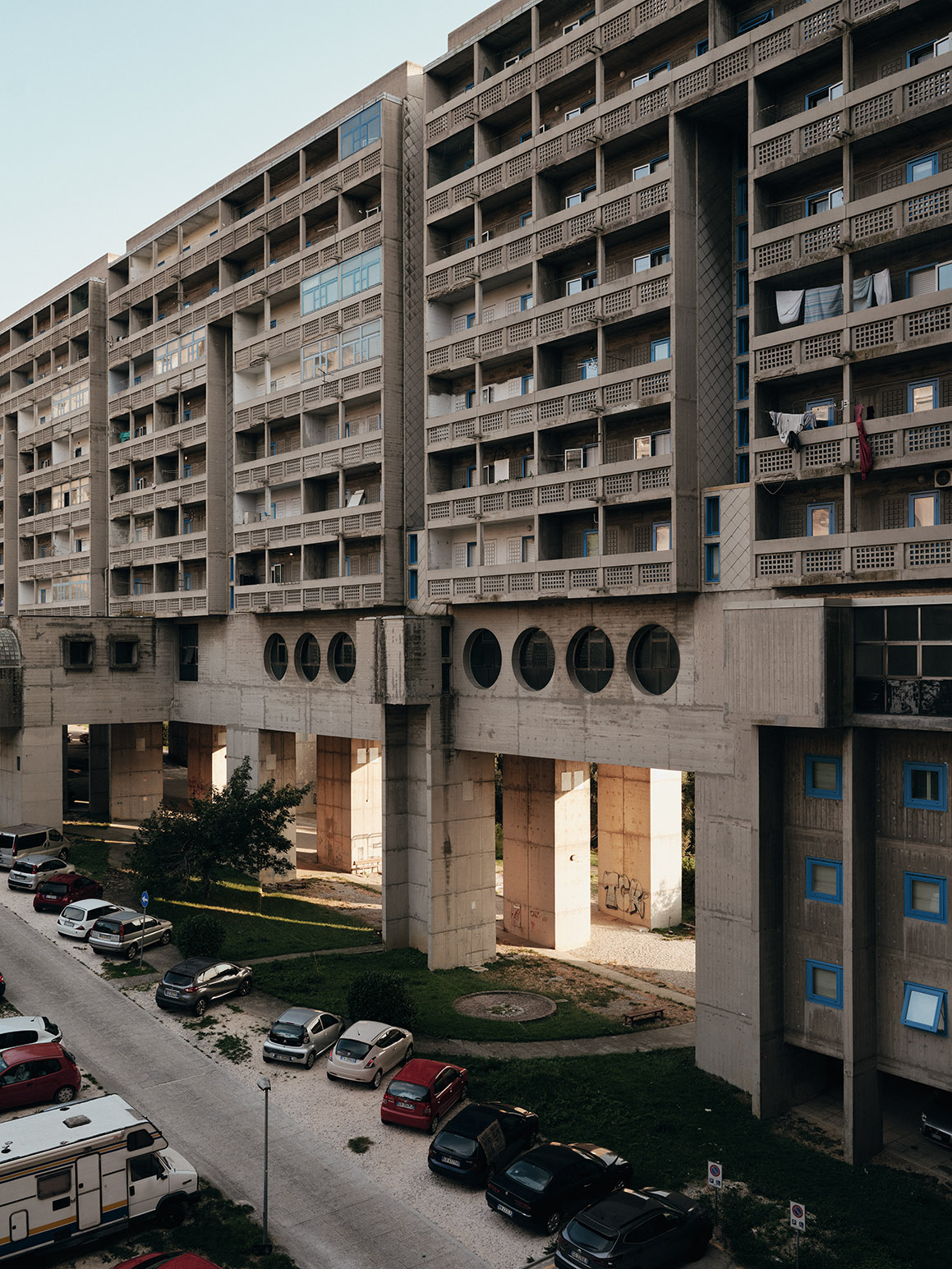
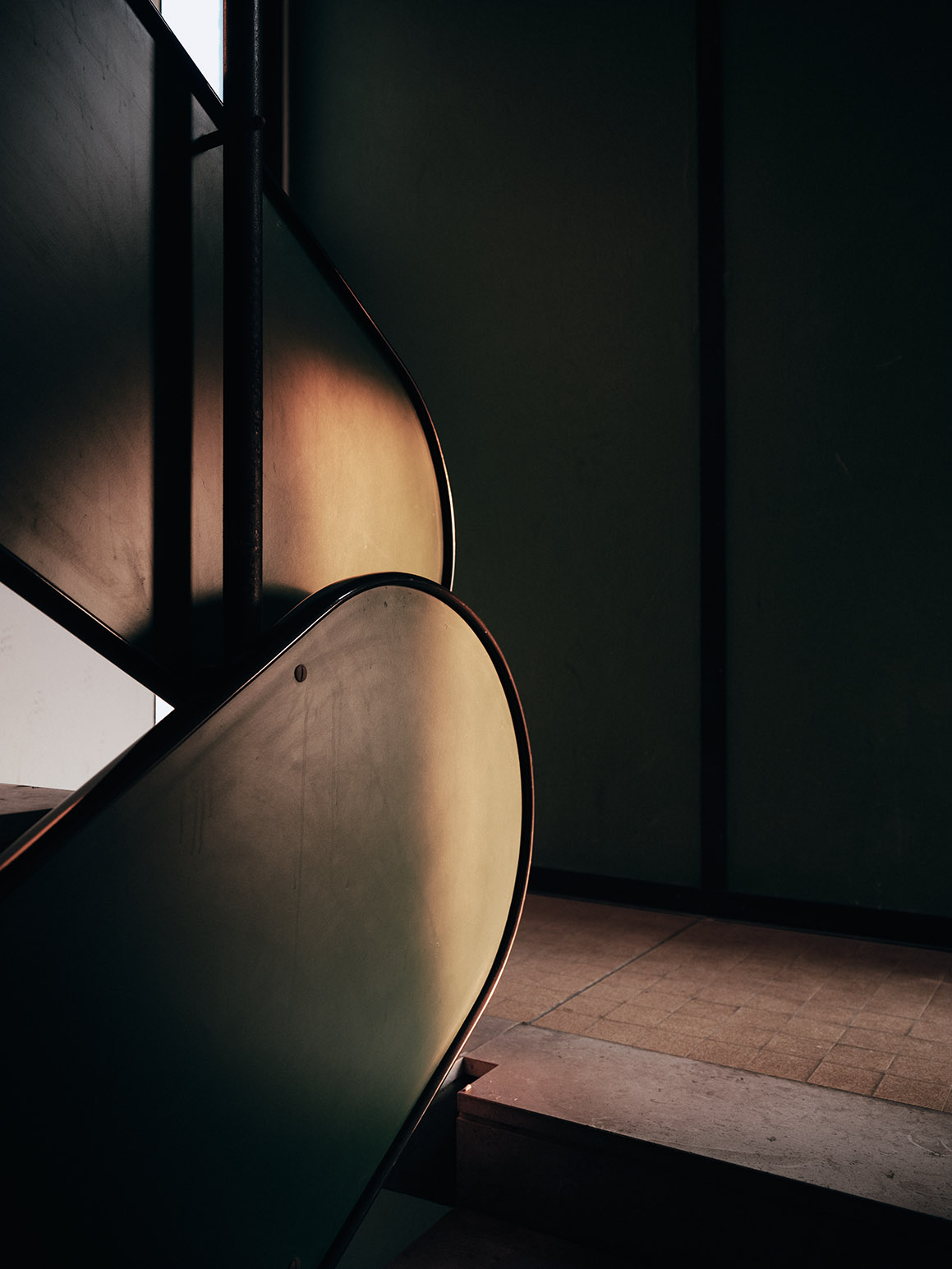
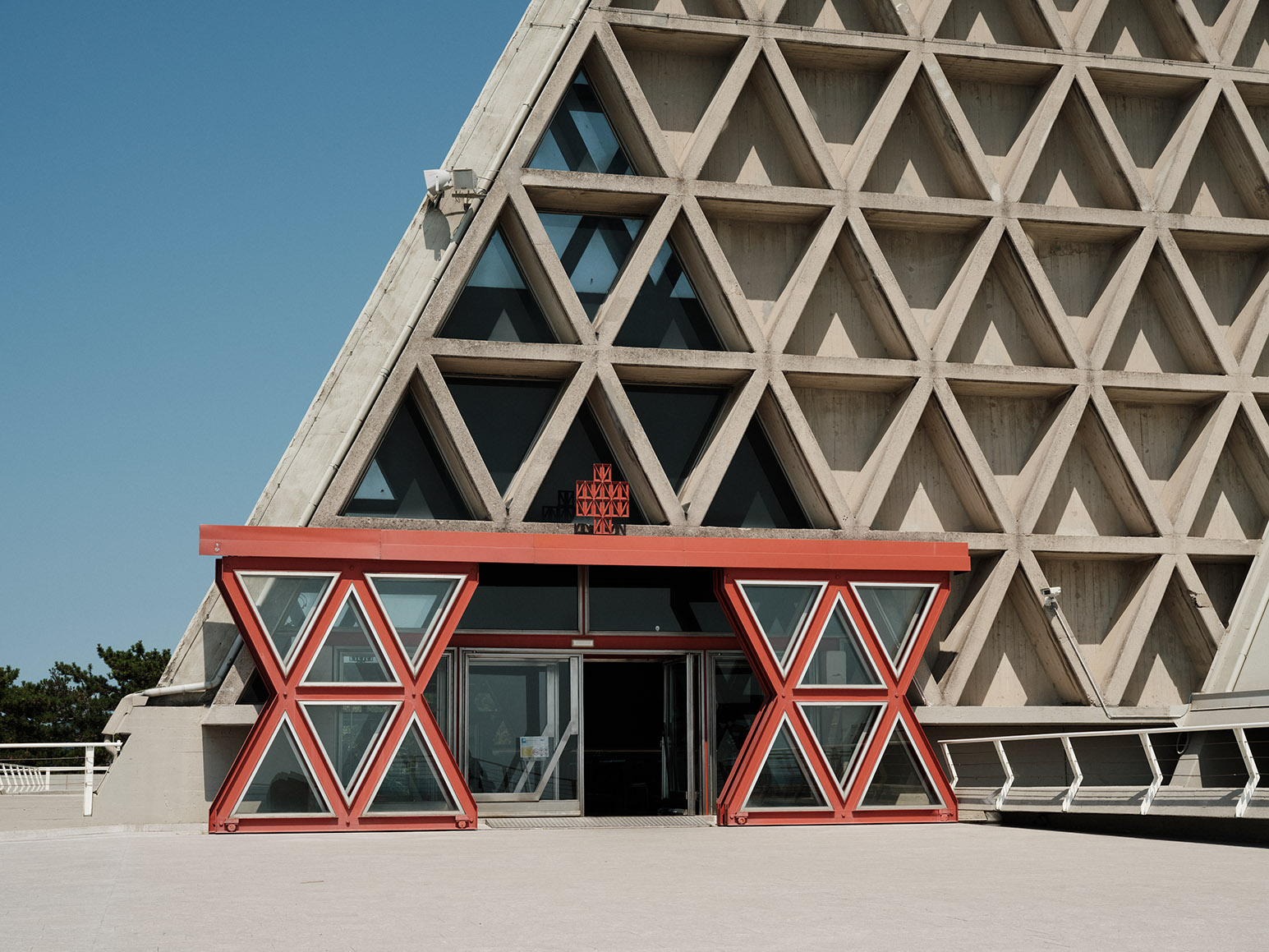
A PARTICULAR KIND OF SILENCE seems to inhabit the concrete of the Adriatic. In Split and Trieste, the raw geometries of postwar architecture stand against the sea like relics of a modernist faith that was never fully realized. Built in the decades when ideology and optimism still poured from the same cement mixer, these buildings once promised a better tomorrow—today they whisper something more ambiguous. In Split, brutalism takes on a Mediterranean melancholy: terraces exposed to salt air, façades weathered into abstraction, the light too beautiful for the concrete to ever look entirely severe. Trieste, meanwhile, wears its béton with a certain northern restraint—a city of faded grandeur where the rough surfaces of late modernity meet Habsburg echoes and maritime decay. Photographer Christian Werner lingers in this tension between utopia and erosion. His lens finds poetry in corrosion, symmetry in neglect. What remains in these structures is not only the memory of their making, but of the people who once believed that architecture could shape society as surely as it shaped the skyline. Seen together, Split and Trieste form a diptych of the Adriatic’s concrete dreams—one sun-bleached, one overcast, both still pulsing with the quiet dignity of endurance.
Beton Brut (2025)
Beton Brut (2025)
Beton Brut (2025)
Beton Brut (2025)
Beton Brut (2025)
Beton Brut (2025)
Beton Brut (2025)
Beton Brut (2025)
Beton Brut (2025)
Beton Brut (2025)
Beton Brut (2025)
Beton Brut (2025)
Beton Brut (2025)
Beton Brut (2025)
Beton Brut (2025)
Beton Brut (2025)
Beton Brut (2025)
Beton Brut (2025)
Beton Brut (2025)
Beton Brut (2025)
Beton Brut (2025)
“BETON BRUT” by photographer Christian Werner for TTA27 – “The Advent”.
A PARTICULAR KIND OF SILENCE seems to inhabit the concrete of the Adriatic. In Split and Trieste, the raw geometries of postwar architecture stand against the sea like relics of a modernist faith that was never fully realized. Built in the decades when ideology and optimism still poured from the same cement mixer, these buildings once promised a better tomorrow—today they whisper something more ambiguous. In Split, brutalism takes on a Mediterranean melancholy: terraces exposed to salt air, façades weathered into abstraction, the light too beautiful for the concrete to ever look entirely severe. Trieste, meanwhile, wears its béton with a certain northern restraint—a city of faded grandeur where the rough surfaces of late modernity meet Habsburg echoes and maritime decay. Photographer Christian Werner lingers in this tension between utopia and erosion. His lens finds poetry in corrosion, symmetry in neglect. What remains in these structures is not only the memory of their making, but of the people who once believed that architecture could shape society as surely as it shaped the skyline. Seen together, Split and Trieste form a diptych of the Adriatic’s concrete dreams—one sun-bleached, one overcast, both still pulsing with the quiet dignity of endurance.